
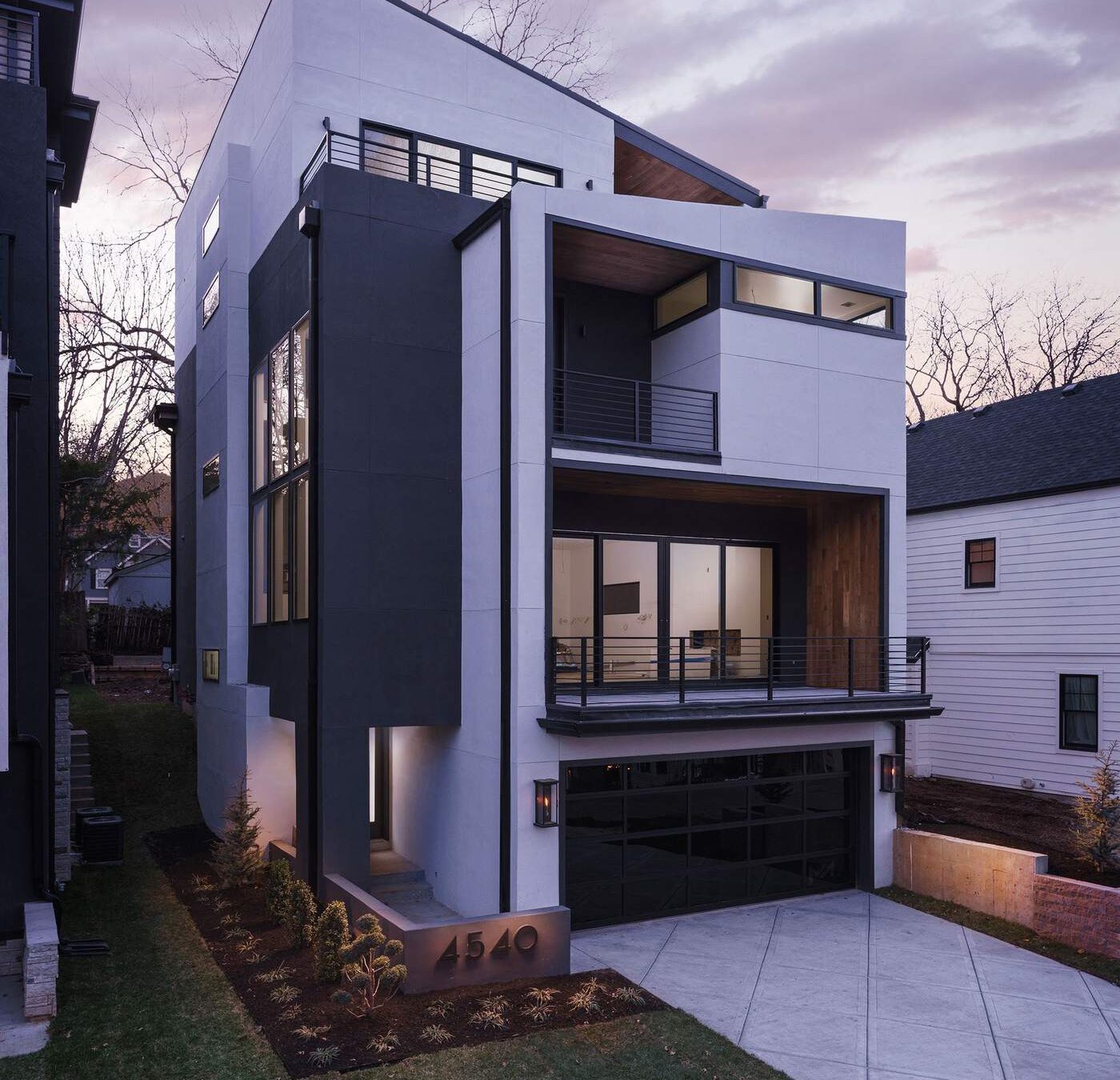
Should you renovate an existing Paradise Valley home or start over with a new custom residence? The right decision depends on the building’s condition, the lot, your design goals and the cost of reaching them. A home that appears dated may have a strong structure worth preserving. Another property may need such extensive work that rebuilding deserves serious consideration.
Start with the existing house, not the finishes
Before discussing new kitchens or windows, investigate the foundation, framing, roof, plumbing, electrical systems and heating and cooling equipment. Ask qualified professionals to identify water intrusion, past alterations and structural concerns. A renovation budget that overlooks these conditions may change substantially once walls are opened.
Test your proposed floor plan
Draw up the rooms and relationships you actually need: kitchen circulation, bedroom privacy, storage, garage access and outdoor gathering spaces. Determine whether the existing footprint can accommodate them without major structural changes. If the plan requires extensive reconfiguration, compare that approach with a new design rather than assuming renovation is less expensive.
Understand the property’s constraints
Paradise Valley parcels can have distinct topography, drainage, access and neighborhood considerations. Setbacks, permitted building area and applicable reviews should be verified for the particular property. A replacement home may not automatically be allowed to occupy the same footprint as an older structure. Consult the appropriate town offices and your design team before committing to a demolition plan.
Compare two complete budgets
For renovation, include investigation, selective demolition, structural changes, system upgrades, finishes, landscaping and temporary accommodation. For rebuilding, consider demolition, site preparation, architecture, engineering, utility work, construction, landscaping and moving costs. Both budgets should identify allowances, exclusions and contingency. Avoid comparing a detailed renovation estimate with a vague new construction allowance.
Think about the construction experience
Renovating an occupied home may mean dust, noise, temporary utility interruptions and restricted access. A major rebuild usually requires relocating for the duration. Ask the builder to explain the expected sequence, the decisions that must be finalized early and how unforeseen conditions will be reported.
Consider long term value and function
Retaining a house can preserve character and reduce the extent of demolition, but a new home may offer a better opportunity to optimize orientation, accessibility, energy performance and the relationship between indoor and outdoor spaces. The best choice is not universal. Evaluate how well each option serves your household over the next decade.
Questions to ask before deciding
Is remodeling always cheaper than rebuilding?
No. Extensive structural changes, systems replacement and high finish expectations can narrow the difference. Compare complete scopes rather than headline prices.
Can I reuse the existing foundation?
Possibly, but suitability requires professional evaluation and confirmation that the proposed design and applicable requirements allow it.
Should I hire a builder before purchasing a teardown property?
Early feasibility input can reveal site and budget concerns before you commit to the purchase.
Will permits differ for renovation and replacement?
They can. Requirements depend on the proposed work and property. Confirm them with the relevant authorities.
What is the first practical step?
Prepare a written list of must have features, gather existing plans if available and arrange an initial feasibility conversation with qualified professionals.
Explore your options with Hickok Homes
Review our Paradise Valley custom home building and remodeling services, browse more homeowner resources or contact Hickok Homes to discuss the property and project goals.