
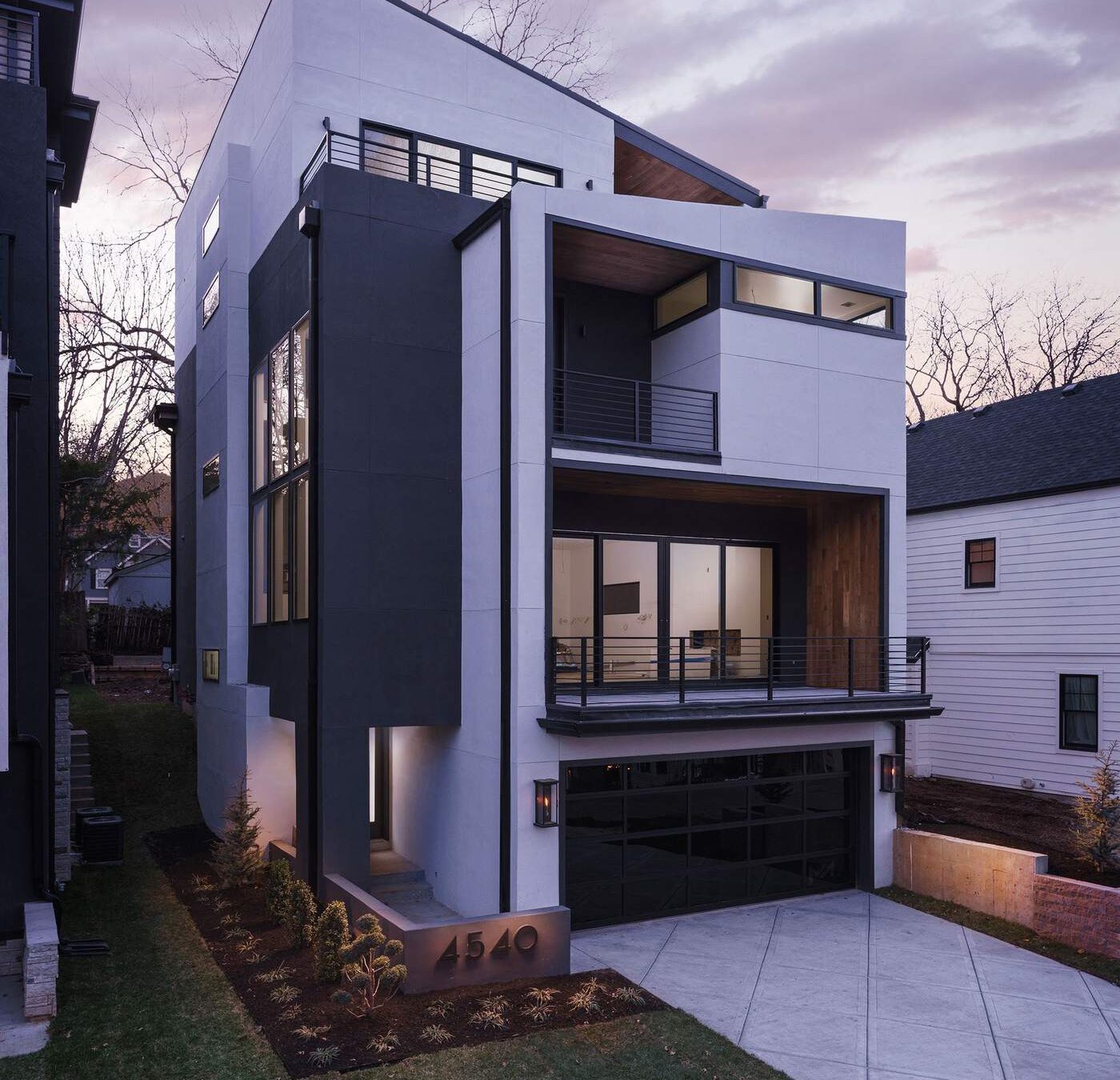
Kansas City’s custom home market isn’t concentrated in one place — different neighborhoods and suburbs offer genuinely different combinations of lot availability, price point, and architectural character worth understanding before you start a lot search.
Lee’s Summit and Blue Springs offer the strongest combination of available land and family-friendly infrastructure on the metro’s east side, with a mix of larger suburban lots and some remaining infill opportunities closer to established town centers.
Parkville and the Northland offer a different proposition entirely — rolling, wooded terrain north of the river with a more rural feel while still being a reasonable commute to downtown, appealing to buyers who want more land and more architectural freedom from rigid HOA standards.
Established neighborhoods like Brookside, Waldo, and parts of the Country Club District offer very limited new construction opportunities — mostly through teardown lots — but reward homeowners willing to pursue that route with walkability and character that newer suburbs simply can’t replicate.
The “best” neighborhood genuinely depends on what you’re optimizing for — commute, lot size, architectural freedom, or walkable urban character — which is why a real conversation about your priorities is more useful than a generic best-of list.
Lot availability and infill opportunities
New subdivisions can offer serviced lots, while established neighborhoods may require teardown projects. Check setbacks, easements, and existing utilities before assuming a parcel can accommodate the desired home. Compare the design flexibility of a newer development with the character of established areas.
Commute and daily convenience
Test drives during normal commute hours, not only weekends. Consider access to schools, groceries, recreation, and other frequent destinations. A scenic lot may become less attractive if daily trips are inconvenient.
Schools and local boundaries
District boundaries do not always match postal addresses or city names. Families should verify assignments directly with the relevant district for the exact property. Consider transportation and activities as well as academic preferences.
HOA architectural guidelines
Neighborhood covenants may affect exterior materials, house size, landscaping, and construction procedures. Obtain current requirements before commissioning plans. Municipal zoning rules apply even where there is no homeowners association.
Topography and utilities
Sloped or wooded sites can be appealing but may need additional grading, drainage, foundation work, or utility connections. A survey and site review can identify constraints that are not obvious from listing photographs.
Compare infill and new construction lots
Infill construction can place a new home near established shops, parks, and mature trees, but demolition and site access may add complexity. A newly developed lot may have clearer building envelopes and newer infrastructure, although design guidelines can be more restrictive. Ask about stormwater requirements and the location of underground utilities before making a purchase.
Look closely at neighborhood character
Walk several blocks around a prospective site. Note the scale of neighboring homes, setbacks, tree canopy, sidewalks, and traffic. A design that fits a wide suburban lot may feel out of place on a narrow urban parcel. The right architectural approach should respond to the street as well as the homeowner’s interior priorities.
Evaluate ownership costs
Property taxes, neighborhood fees, landscape maintenance, and utility expenses affect affordability after construction. Research these costs alongside the mortgage and building budget. A wooded property may need ongoing tree care, while a larger suburban lot can involve more landscaping. Ask local authorities and service providers for property specific information.
Build a practical short list
Select several neighborhoods based on commute, lifestyle, and the kind of house you want. For each, document available parcels, estimated site work, restrictions, and access to services. This side by side comparison helps prevent a beautiful listing from driving a decision before its limitations are understood.
Before making a final decision
A final step is to ask whether the preferred home design is realistic on each shortlisted lot. The orientation of the driveway, width of the building envelope, location of mature trees, and space for outdoor living all influence the floor plan. A preliminary discussion with a builder before purchasing land may uncover tradeoffs that would be expensive to address later. Keep a contingency for site discoveries and confirm utility information independently.
Budgeting beyond lot price
The complete project may include engineering, permits, driveway construction, site preparation, landscaping, and financing costs. Compare parcels using estimated total development expense, not land price alone. Contact Hickok Homes about Kansas City custom home planning.