
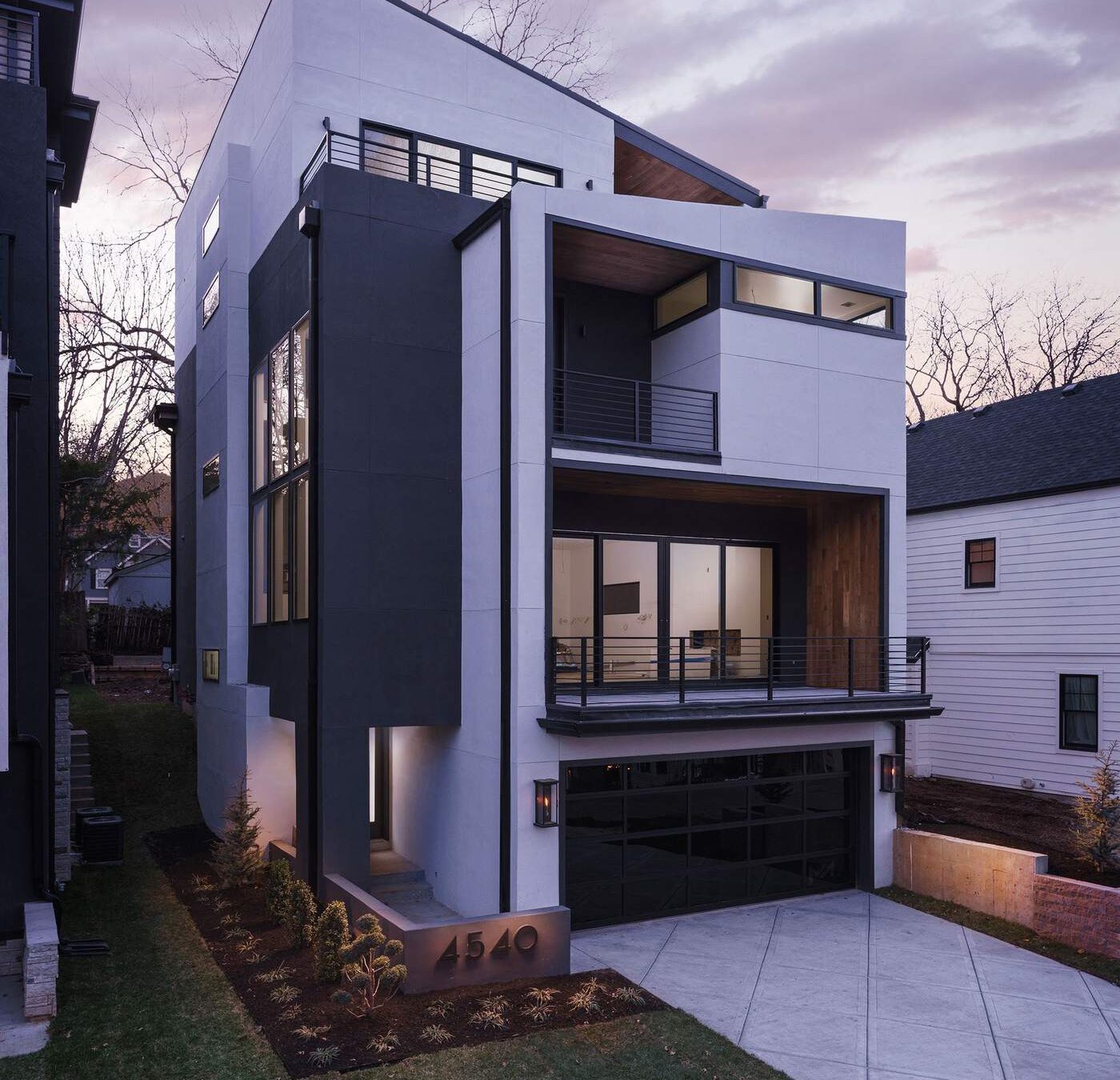
For a stay of more than a couple of weeks, corporate housing and extended-stay hotels both market themselves as the practical choice — but the actual day-to-day experience differs more than most people expect before trying both.
Space is the most obvious difference. A furnished corporate housing home typically offers a full living room, dining area, and multiple bedrooms, compared to a single hotel room or suite — meaningful for anyone working from their temporary housing or relocating with family.
A real kitchen, not a kitchenette, is the second major difference. Extended-stay hotels typically offer a small kitchenette with limited appliances; corporate housing homes generally include a full kitchen, which matters enormously for anyone staying more than a few days and wanting to eat normally rather than relying on takeout.
Privacy and quiet differ meaningfully too — a standalone furnished home doesn’t come with hotel hallway noise, shared amenities, or the general transience of a hotel property, which matters for both comfort and for anyone needing a genuinely quiet space to work remotely.
Cost comparisons depend heavily on length of stay and specific properties, but for stays beyond a few weeks, furnished corporate housing is often competitive with or less expensive than an extended-stay hotel of comparable size — while offering meaningfully more space and privacy.
Total cost
Compare monthly furnished rental costs with the full hotel bill, including taxes, parking, cleaning, deposits, and utility charges. Rates vary by property and length of stay.
Living space
A furnished apartment or house may provide separate bedrooms and work areas, while a hotel can offer convenient on site services. Match the layout to the number of occupants.
Kitchen and laundry
Verify the actual appliances, cookware, and laundry facilities. A kitchenette may be adequate for a short assignment but less convenient for months of daily meals.
Lease flexibility
Ask about minimum stays, extensions, cancellation, and deposits. Assignment dates may change. The lowest initial rate may not offer the most flexible terms.
Maintenance support
Confirm who handles repairs, internet problems, and urgent access issues. Hotels and furnished rentals offer different support arrangements, which should be verified individually.
When hotel services are worth paying for
A staffed front desk, frequent housekeeping, and on site amenities may be valuable for someone traveling alone on a demanding schedule. Hotels can also be easier for very short stays or trips with uncertain arrival dates. Ask whether the specific hotel offers laundry, reliable work areas, and sufficient storage rather than assuming all extended stay properties are equipped alike.
When a furnished home fits better
Families and coworkers sharing an assignment may benefit from separate bedrooms, a dining area, and space to unwind. A furnished house can make regular meals and longer routines easier. Still, confirm furnishings, neighborhood rules, parking, and maintenance support. The phrase corporate housing describes a category, not a guarantee of particular features.
Consider payment and reimbursement
Employers sometimes use travel policies or per diem limits that affect eligible housing choices. Before booking, confirm required invoices, receipts, and approval procedures with the company. Ask the housing provider how billing works and whether utilities and fees appear separately. Clear documentation can reduce reimbursement problems.
Tour or verify before signing
Request current photographs or a virtual walkthrough of the actual unit. Confirm the address, occupancy limits, furnishings, internet, and move in process. If a stay may extend, ask whether the same unit can remain available. A few practical questions before payment can prevent a difficult relocation after arrival.
Before making a final decision
For a fair comparison, prepare a simple list of nonnegotiable needs. These might include two bedrooms, an in unit washer, parking for two vehicles, or a private work area. Then compare the actual properties rather than broad categories. A well equipped hotel suite may suit one assignment better than a poorly furnished rental, while a spacious home may be preferable for another. Written details are more dependable than assumptions about amenities.
Also ask what happens if a guest needs to leave for a week during the assignment. Monthly rentals and hotel bookings may handle absences differently, and some properties have rules about unoccupied units. Understanding those details can help avoid unexpected charges.
Household priorities
Consider pets, parking, accessibility, quiet workspace, and commute. Hickok Homes can discuss furnished housing inquiries and property specific terms.