
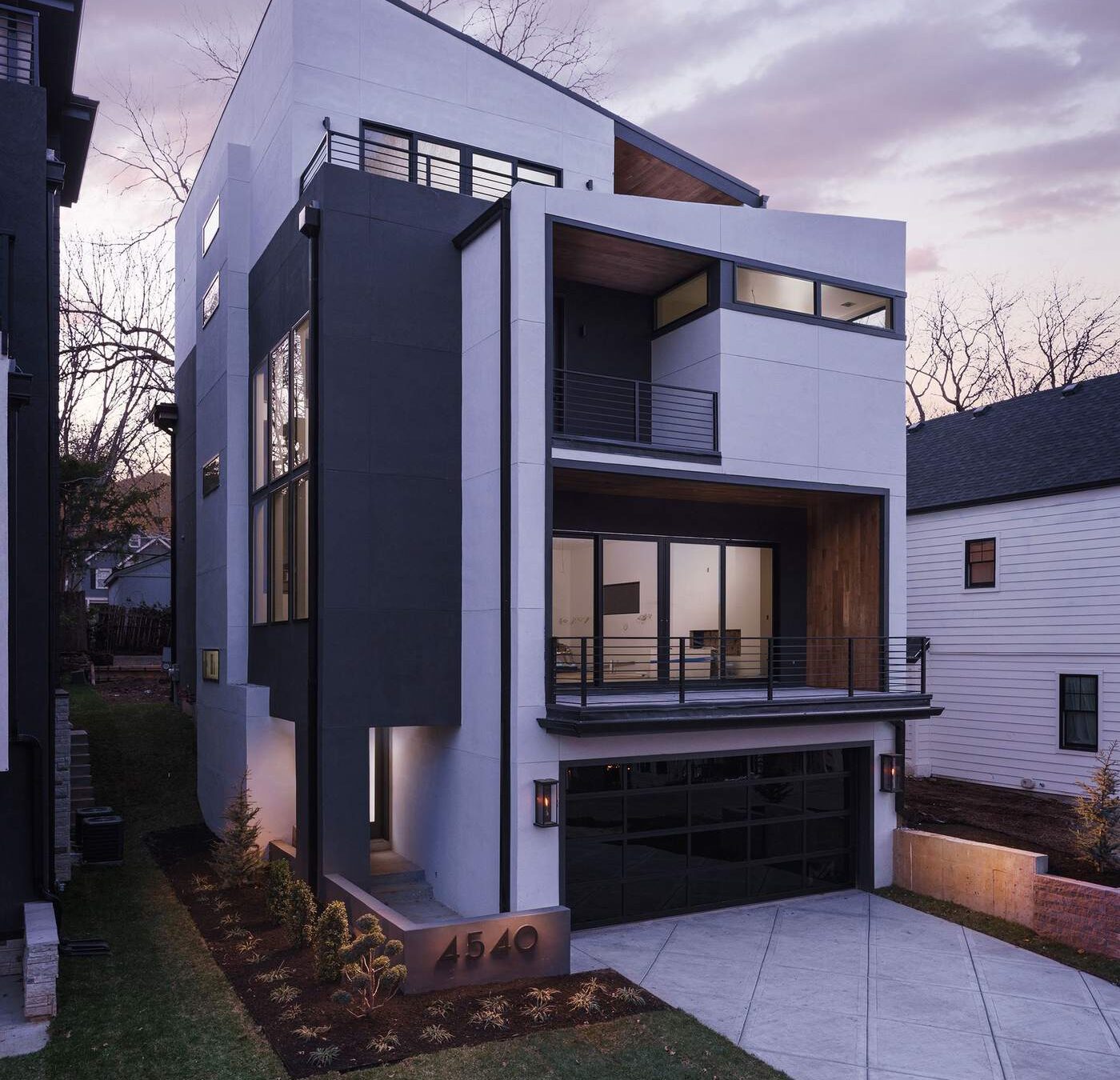
The design-build model gets discussed mostly in terms of convenience — one point of contact instead of two — but the more meaningful benefit is how it actually changes project outcomes, both in cost and timeline.
Cost feedback happens in real time during design, rather than after a complete set of drawings is finished and sent out for bids. This means decisions that would blow the budget get caught — and adjusted — while they’re still sketches, not after design fees have already been spent on a plan that needs to be reworked.
Scheduling efficiency improves because the same team managing design also manages construction sequencing, avoiding the handoff delays common when a separate architect’s finished drawings need to be re-evaluated and re-priced by a builder seeing the project for the first time.
Accountability is the less quantifiable but equally real benefit. With one team responsible for the whole outcome, there’s no opportunity for design and construction to blame each other when something doesn’t go as planned — which tends to produce more honest budgeting and more careful problem-solving throughout.
None of this means design-build is automatically cheaper in every case — but for most homeowners prioritizing budget certainty, a coordinated timeline, and a single accountable relationship throughout the project, it consistently outperforms the traditional separated model.